Protecting Patient Data in 2025: Lessons from the Texas Tech University Cyberattack
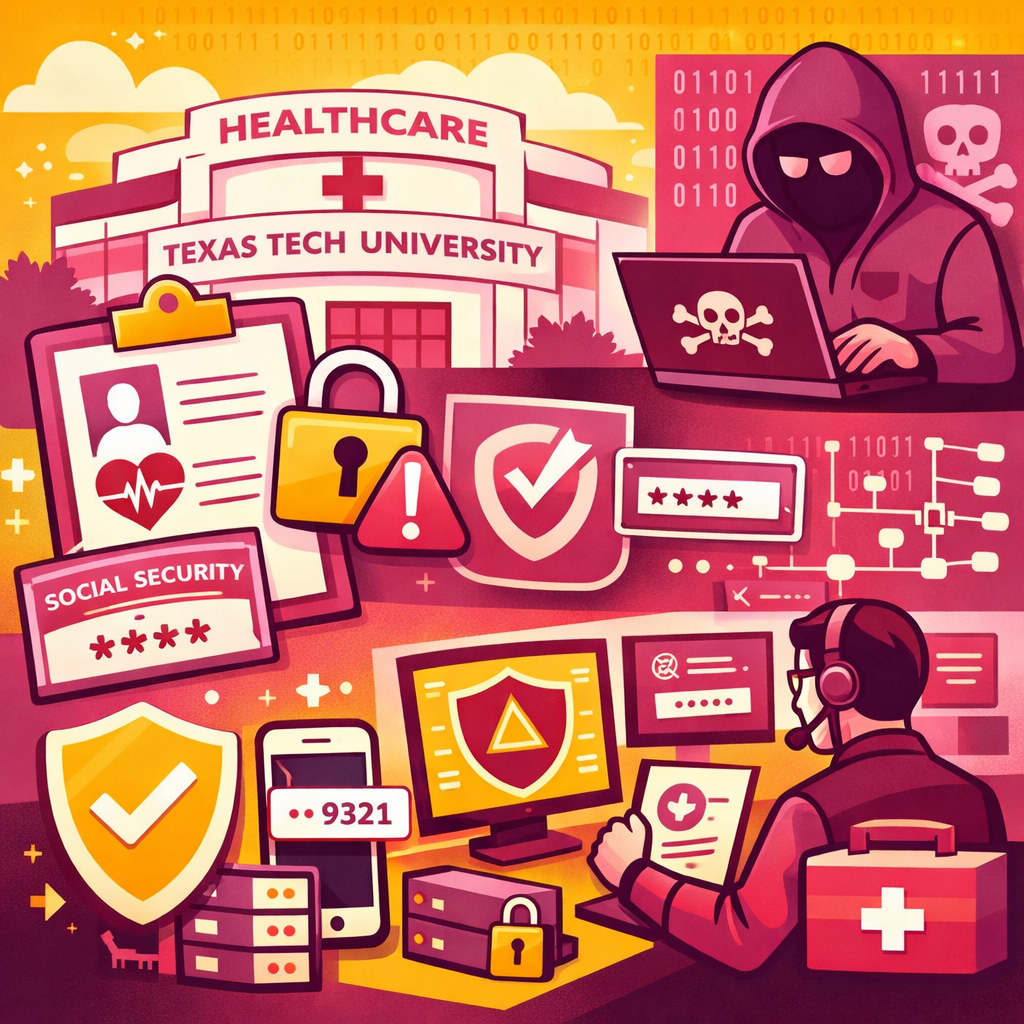
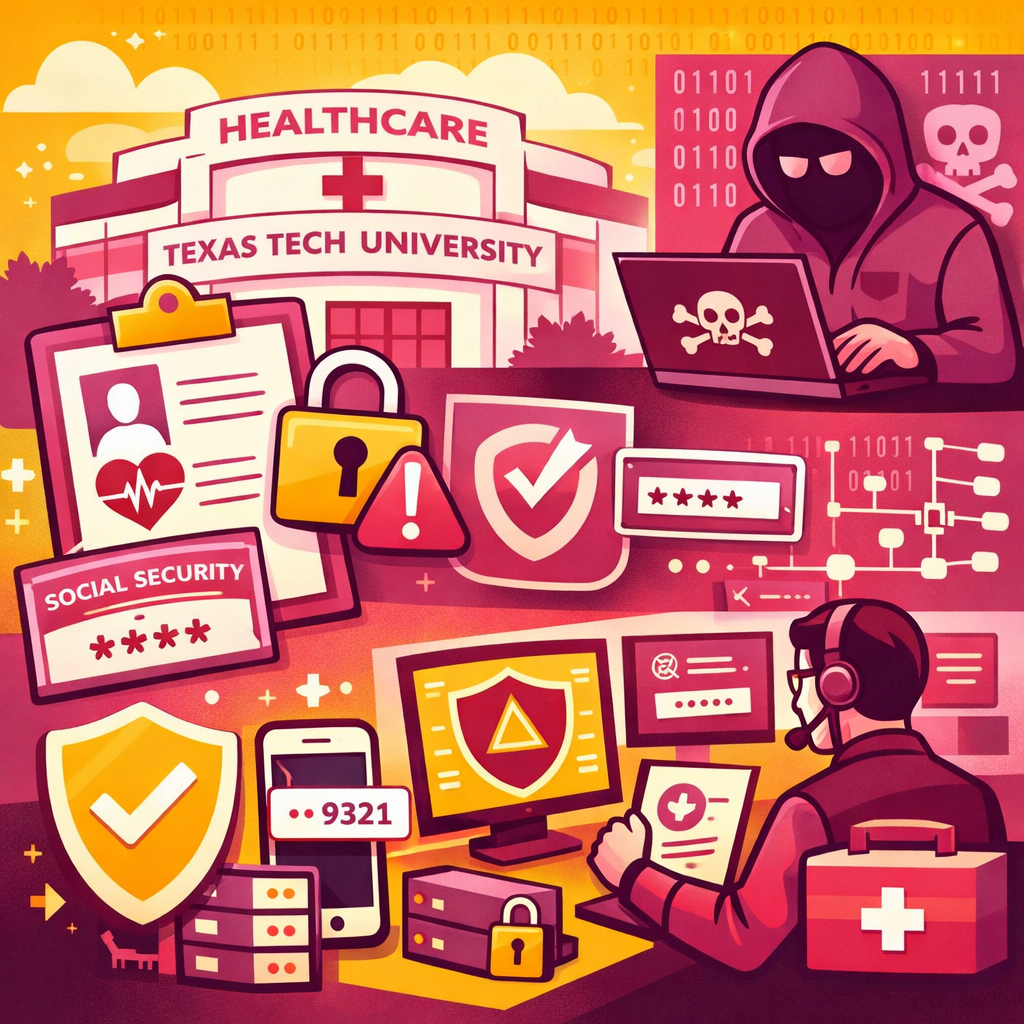
The cybersecurity landscape continues to evolve rapidly, and the Texas Tech University Health Sciences Center data breach reported on 16 December 2024 highlights why robust defences and proactive planning are now business-critical. In this incident, systems compromised in a September 2024 ransomware attack eventually resulted in the exfiltration of highly sensitive personal and medical data for around 1.4 million patients.
Healthcare institutions hold some of the most sensitive data imaginable—medical histories, government-issued identifiers, and financial information. When that data is exposed, it isn’t just a technical problem: it’s a reputational, regulatory, and financial crisis. The Texas Tech breach underscores several recurring weaknesses that savvy organisations must address.
Root Causes and the Human Element
While malware and ransomware often dominate headlines, the underlying causes tend to be failures in patching, inadequate access controls, and insufficient monitoring of anomalous activity. Attackers frequently exploit common weaknesses such as outdated systems, default or weak credentials, and lack of segmentation in networks that store or process critical data.
Key Lessons for Healthcare and Beyond
- Patch Early, Patch Often
- Regularly applying security patches drastically reduces the attack surface. Threat actors scan for known unpatched systems within hours of public vulnerability disclosures.
- Multi-Factor Authentication (MFA)
- MFA adds a vital layer of defence beyond just usernames and passwords. Without it, stolen credentials become an open door into privileged systems.
- Least-Privilege Access Control
- Limiting who can see what data—and auditing those permissions frequently—ensures that even if an account is compromised, the potential damage is minimised.
- Network Segmentation & Zero Trust
- Partitioning the network prevents attackers from moving laterally once inside. Zero Trust frameworks enforce verification at every stage, not just entry.
- Active Monitoring and Rapid Response
- Being able to detect anomalous activity quickly makes the difference between stopping an intrusion and discovering it weeks later, long after data leaves the network.
How Modena360 Helps Strengthen Cyber Resilience
A high-quality Managed Service Provider (MSP) like Modena360 plays an essential role in helping organisations build and sustain robust cybersecurity postures:
- 24/7 Security Monitoring & Threat Detection: Modena360’s Security Operations Centre continuously observes your environment, spotting suspicious behaviour early and reducing dwell time for attackers.
- Automated Patching and Updates: We ensure systems are up to date with critical patches, reducing exposure to known vulnerabilities.
- Advanced Identity Protection: With enforced MFA, strong password policies, and privilege management, we help eliminate common attack vectors.
- Incident Response Planning: Should an attack occur, our team provides a clear, tested response plan to contain impact, communicate with stakeholders, and meet regulatory requirements quickly and efficiently.
Conclusion
The Texas Tech University breach is a stark reminder that cybersecurity is not optional, especially for organisations entrusted with highly sensitive data such as healthcare records. By adopting proactive security strategies and partnering with an experienced MSP like Modena360, organisations can significantly reduce risk, protect stakeholder trust, and ensure continuity in an increasingly hostile cyber landscape.
Want to fortify your organisation against breaches like Texas Tech University?
Connect with Modena360 today for a full cybersecurity assessment and tailored protection plan.