When the Supply Chain Is the Weakest Link: Lessons from the Treasury Cyber Breach
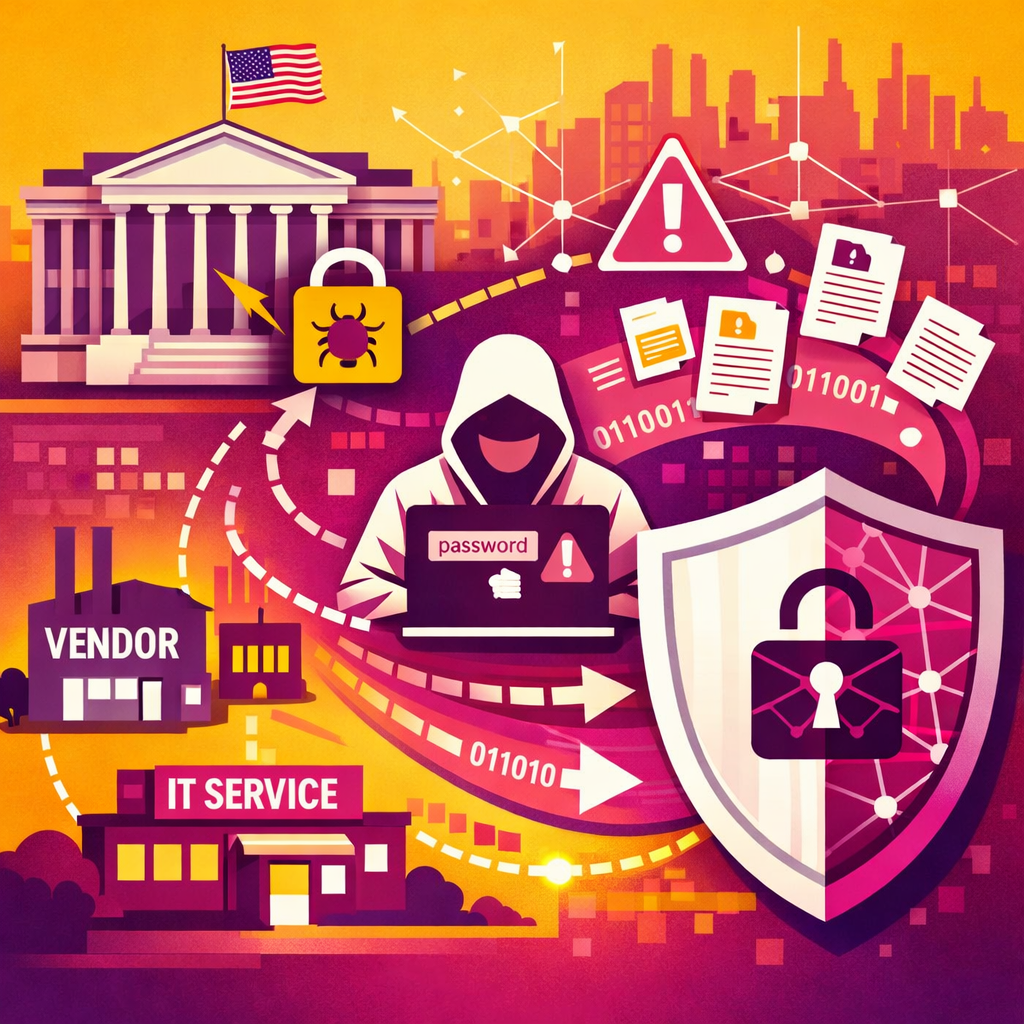
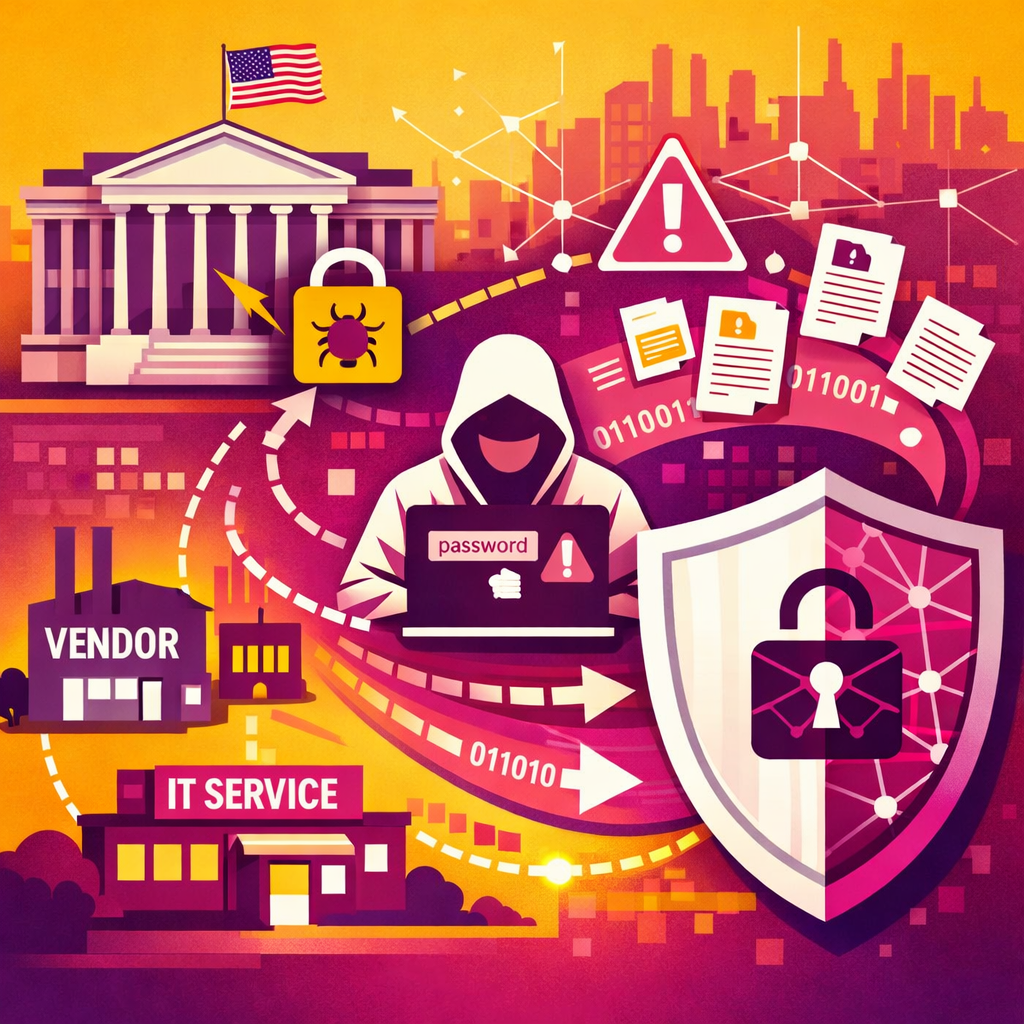
In late December 2024, the United States Department of the Treasury revealed that a state-sponsored hacking group successfully infiltrated its internal systems by compromising a third-party remote support provider. The attackers leveraged stolen credentials to access unclassified workstations and sensitive documents—a stark reminder that supply-chain vulnerabilities are among the most dangerous in today’s cybersecurity landscape.
The incident underscores two prevailing trends: adversaries are increasingly targeting trusted partners and vendors, and traditional perimeter defenses alone no longer suffice. While the Treasury’s internal response and involvement of CISA and the FBI limited long-term exposure, many organisations—especially in the private sector—are less prepared for similar sophisticated attack paths.
Understanding the Risk: Why Third-Party Access Matters
Cybercriminals often seek the easiest path to sensitive data, and third-party vendors are an attractive entry point. Providers with legitimate access to systems can inadvertently offer attackers a “backdoor,” especially if vendor access isn’t rigorously managed or monitored. In this case, compromised credentials enabled attackers to bypass traditional firewalls and intrusion detection systems, illustrating the limits of perimeter-centric cybersecurity.
Practical Steps to Prevent Similar Incidents
1. Zero Trust Access Controls
Adopt a Zero Trust framework where every request, whether from internal IT or a trusted vendor, is authenticated and verified before access to critical systems is granted. This drastically reduces the risk of lateral movement, even when credentials are compromised.
2. Vendor Risk Assessments and Continuous Monitoring
Regularly evaluate the security practices of all partners, especially those with privileged access. Continuous monitoring tools can detect anomalous vendor activity quickly—well before a breach escalates.
3. Multi-Factor Authentication (MFA) Everywhere
Require strong MFA for all users and services, particularly for vendors and remote access platforms. MFA is one of the simplest and most effective safeguards against credential theft.
4. Secure Remote Support Access
Use hardened remote support solutions with granular access logging and session recording. Limit remote support access to predefined tasks, and revoke service credentials when not in active use.
Response Planning: Be Prepared for Incidents
No security programme is perfect, so organisations must assume that breaches will occur. Having a well-rehearsed Incident Response Plan is critical. It should include:
- Clear roles and procedures for containment
- Forensic investigation steps
- Rapid communication pathways with stakeholders and regulators
Regular tabletop exercises can help ensure teams are ready to react quickly and coordinate across departments, reducing both downtime and reputational damage.
How a High-Quality MSP Like Modena360 Helps
Managed Service Providers (MSPs) like Modena360 offer specialised cybersecurity capabilities that extend beyond standard IT support:
- 24/7 monitoring and threat detection: Catch suspicious behaviour in real time, including unusual access attempts tied to third-party tools.
- Vendor security evaluations: Assess risks from all external partners and help mitigate those risks proactively.
- Incident response support: When breaches occur, Modena360 provides expert containment guidance and helps restore normal operations quickly.
- Ongoing security training: Equip staff with the awareness to recognise and report possible attacks—something technology alone can’t achieve.
By integrating advanced security tools with expert human oversight, Modena360 empowers organisations to protect against complex threats like supply-chain attacks and respond effectively when incidents occur.
Is your organisation prepared for sophisticated cyber threats? Contact Modena360 today to strengthen your cybersecurity posture, safeguard crucial assets, and gain peace of mind.