SoundCloud Data Breach: What It Teaches Us About API Security & Incident Response
On 15 December 2025, music streaming platform SoundCloud disclosed a cybersecurity incident that exposed non-sensitive user data—email addresses and public profile information for roughly 20 % of its users. Although no passwords or financial details were stolen, the incident illustrates key lessons for organisations of all sizes about third-party systems, monitoring gaps, and rapid incident response.
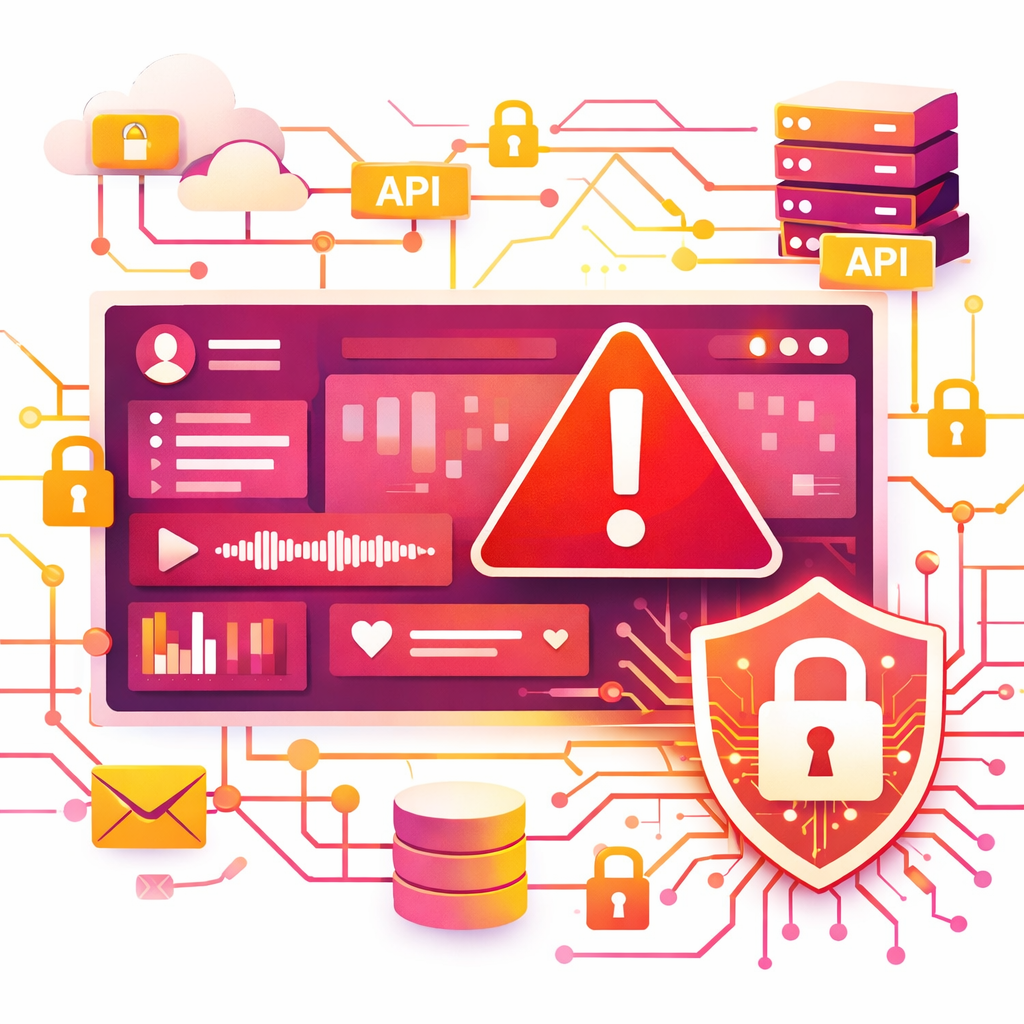
The breach reportedly began with suspicious activity in an ancillary service dashboard—a system not central to SoundCloud’s core infrastructure, but connected enough to provide an initial foothold for attackers. This highlights a common blind spot for many businesses: overlooked or poorly monitored third-party access points can become prime targets for attackers seeking easy entry. Once detected, SoundCloud activated its incident response protocol, containing the breach quickly and engaging external forensic experts to investigate. Despite the lack of sensitive data loss, follow-on denial-of-service attacks briefly disrupted accessibility, underscoring how even limited breaches can cascade into broader operational impacts.
Why This Matters
Modern enterprise environments rely heavily on third-party services, APIs, dashboards, and integrations. Each external component expands the attack surface and introduces potential vulnerabilities. In SoundCloud’s case, the ancillary dashboard served as a vector for initial access, reminding organisations that security hygiene must extend beyond core apps and infrastructure.
It also reinforces the value of strong monitoring and anomaly detection. An alert from a lower-tier system triggered a response that ultimately limited the scope and severity of the incident. Without that alert, the breach may have gone unnoticed much longer, increasing risk to user data and organisational reputation.
Further, the incident underscores the importance of prepared incident response planning. SoundCloud’s swift containment and transparent disclosure mirror best practices that help organisations retain trust even when breaches occur.
How Organisations Can Prevent Similar Incidents
Here’s how businesses can strengthen their security posture based on this incident:
- Expand Visibility Across Third-Party Systems:
- Ensure that every external service, integration, and dashboard is included in security monitoring and regular assessment. Often, these are excluded because they are “non-critical”—exactly how attackers find weak links.
- Implement Strong Authentication Controls:
- Multi-factor authentication (MFA) and least-privilege access reduce the risk of credential misuse or lateral movement once access is gained.
- Continuous Threat Monitoring:
- Real-time monitoring and anomaly detection for all services—especially those exposed to the internet—helps detect and respond to suspicious activity before it escalates.
- Incident Response Preparedness:
- A documented and rehearsed incident response plan ensures that teams know how to react, who to involve, and how to contain damage efficiently.
How Modena360 Can Help
SoundCloud’s experience illustrates that breaches can occur anywhere—even outside core business systems. That’s why partnering with a high-quality Managed Service Provider (MSP) like Modena360 makes a difference.
Modena360 helps organisations by:
- Conducting comprehensive security assessments of all systems, including third-party integrations and dashboards.
- Implementing strong identity management and MFA controls across environments.
- Providing proactive monitoring and alerting that surfaces anomalies before they escalate.
- Developing and testing incident response playbooks that empower teams to react swiftly.
By integrating security monitoring, governance, and response capabilities into everyday operations, Modena360 ensures your organisation isn’t caught off-guard—so you can stay focused on growth with confidence.