Paraguay Data Breach of June 2025: A National Wake-Up Call for Cybersecurity
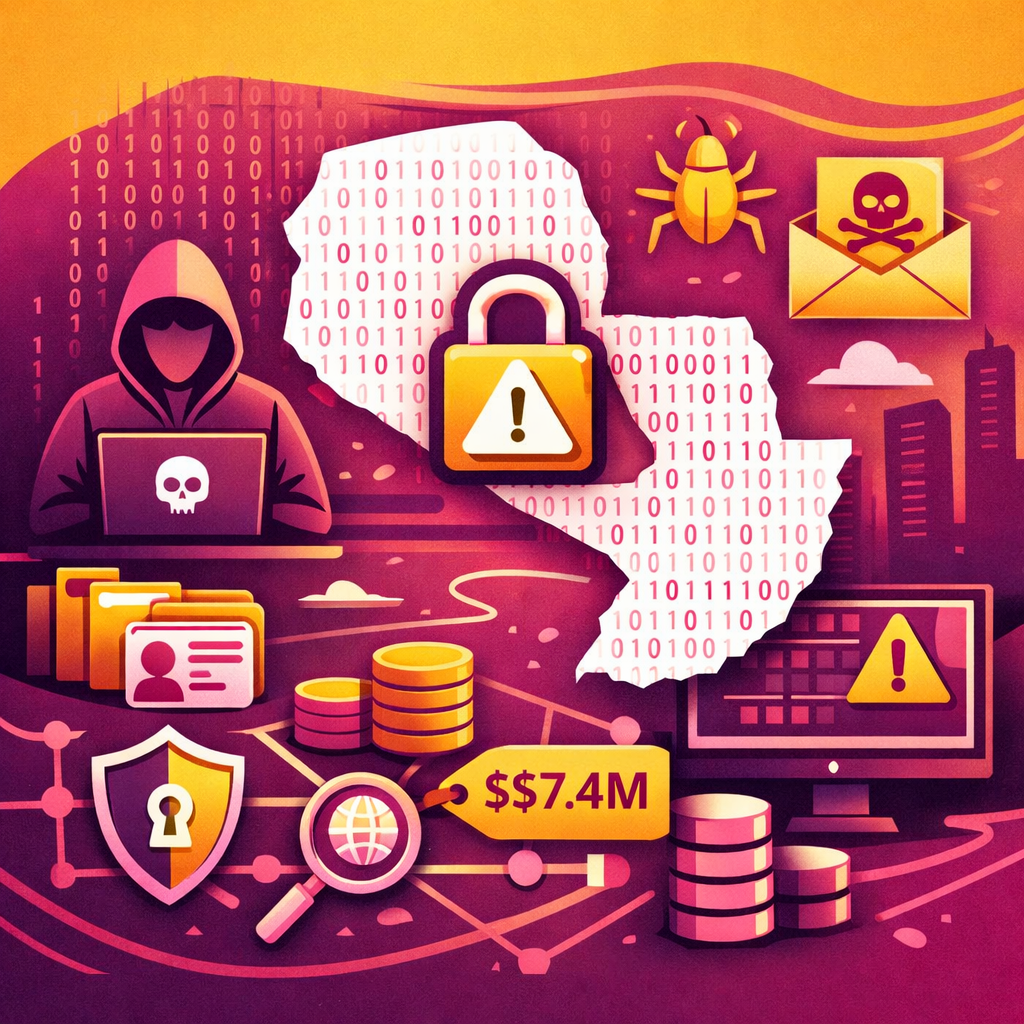
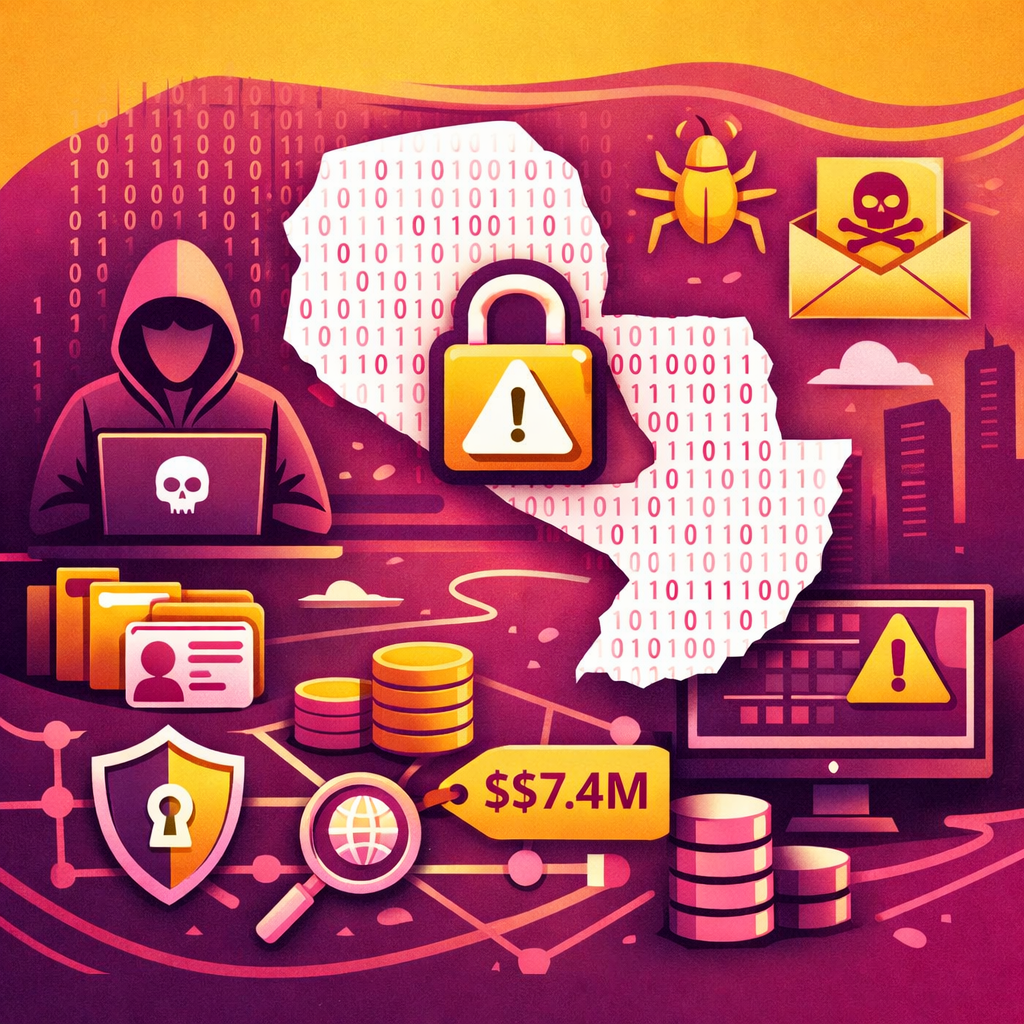
In mid-June 2025, a massive cyber incident shook Paraguay and the global security community when threat actors leaked 7.4 million records containing personally identifiable information (PII) of virtually every citizen after a ransom demand went unmet. This data dump — encompassing names, ID numbers, birthdates, addresses, and other sensitive details — stands as one of the most expansive nation-scale breaches in recent memory.
What Happened?
A group calling itself Brigada Cyber PMC claimed to have stolen the data and issued a ransom demand of roughly US $7.4 million, symbolically calculated at $1 per Paraguayan citizen. When the government declined to pay, the attackers published the stolen information on underground forums and torrent networks, making the data freely accessible and turning every downloader into a peer distributor.
Cyber threat intelligence suggests this wasn’t just a simple ransomware event — instead, the breach originated through infostealer malware that had compromised credentials on government employee systems and granted prolonged access to critical networks. Over time, attackers aggregated vast troves of PII and ultimately exfiltrated it to the dark web.
Key Lessons for Organisations
This incident underscores several cybersecurity realities that organisations — from government agencies to SMBs — must prioritise:
- Secure Access & Credential Hygiene: Attackers often begin with stolen credentials obtained via malware or phishing. Enforcing multi-factor authentication (MFA) and regular credential audits can dramatically reduce the risk of long-term compromise.
- Endpoint Threat Detection: Infostealers operate silently on infected devices. Continuous endpoint monitoring and behaviour-based detection solutions help spot suspicious file access or credential harvesting early.
- Network Segmentation: Limiting lateral movement within networks ensures that if one endpoint is compromised, access to sensitive systems is restricted.
- Dark Web Monitoring: Early detection of stolen data appearing on underground marketplaces enables companies to respond faster, notify affected individuals, and launch containment strategies before widespread damage occurs.
How a High-Quality MSP Helps
Managed Service Providers like Modena360 play a proactive and strategic role in preventing and mitigating such incidents:
- 24/7 Security Monitoring: Continuous network monitoring and automated alerts reduce detection times from weeks to minutes.
- Patch & Vulnerability Management: MSPs manage and prioritise patches across systems, reducing attack surface and thwarting common exploit paths used by infostealers.
- User Awareness Training: Many large breaches begin with phishing. Regular, custom-tailored training programs help staff recognise and avoid suspicious emails and links.
- Incident Response Planning: Should a breach occur, MSPs help enact ready-made response protocols — from isolating affected systems to reporting and recovery support — minimising operational downtime and reputational harm.
Conclusion
The Paraguay data breach of June 2025 was a stark reminder that no organisation — government-level or corporate — is immune to cyber threats. As attacks become more sophisticated, organisations need layered security, continuous monitoring, and access to expert MSP support. Modena360 combines these elements to help clients prevent breaches before they happen and respond effectively if they do.
Want to fortify your organisation against evolving threats like infostealers, ransomware, and credential theft? Contact Modena360 today to assess your cyber resilience and implement a tailored security strategy.