Municipal Cyberattack in St. Paul: What Happened
Municipal Cyberattack in St. Paul: What Happened
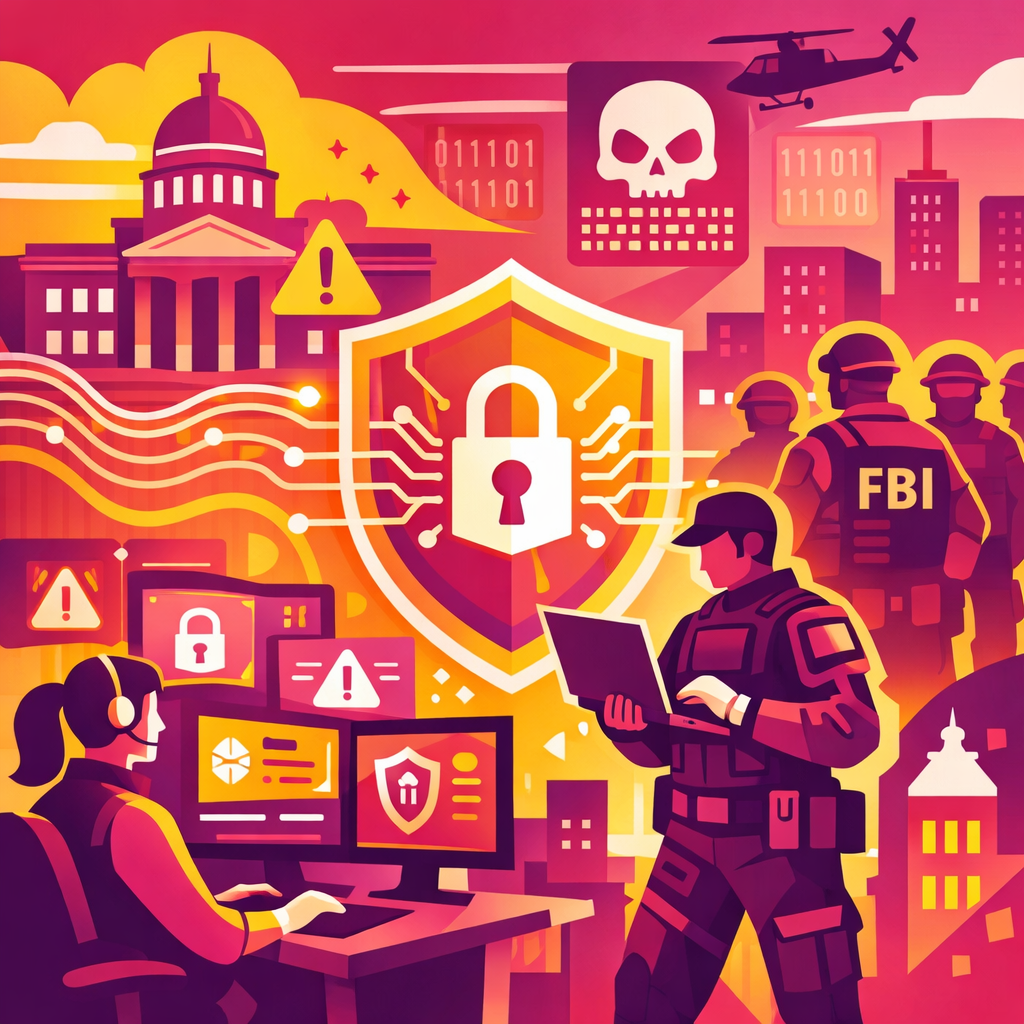
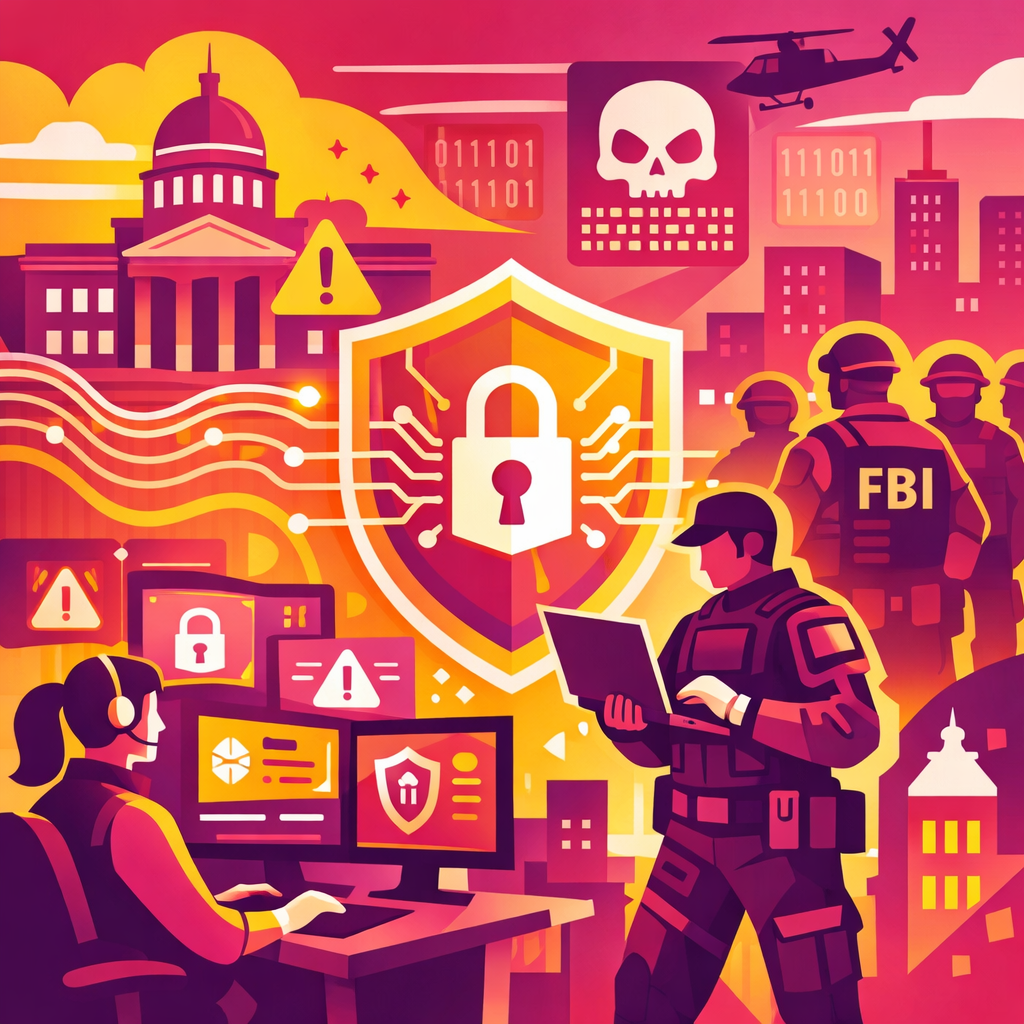
In late July 2025, the City of St. Paul detected a cybersecurity breach affecting its information systems, prompting immediate defensive actions. The attack was first noticed on 25 July 2025, and by 28 July, city officials had shut down critical network infrastructure — including Wi-Fi access, public terminals, and online services — to contain the intrusion and prevent further damage.
Officials described the incident as a deliberate, coordinated digital attack by a sophisticated external actor targeting municipal systems. The disruption interfered with everyday services residents rely on and demonstrated just how impactful cyberattacks on government infrastructure can be.
Response & Impact
State of Emergency & National Guard Deployment
Because local IT and cybersecurity teams were overwhelmed, the city declared a state of emergency and requested support from state and federal resources. Governor Walz responded by deploying the Minnesota National Guard’s cyber protection unit to assist with containment and recovery efforts — an uncommon but powerful response framework for major incidents where public safety and infrastructure are at risk.
Operational Disruptions
- City workers lost access to internal systems and email.
- Public Wi-Fi and online bill payment systems were offline.
- Emergency services such as 911 continued to operate (so critical functions were preserved).
Investigation & Remediation
The FBI and private cybersecurity firms were brought in alongside the National Guard to support forensic investigation, identify the threat vector, and begin remediation. Officials emphasized that response capabilities were stretched beyond what the city could handle alone.
Key Lessons for Organisations
This incident underlines critical themes in modern cybersecurity:
1. Preparedness Is Essential
Municipal systems are high-impact targets because they affect vital services. Without robust incident response plans, organisations risk prolonged outages and greater damage.
2. Rapid Isolation Can Prevent Escalation
Shutting down systems early — as St. Paul did — limited further compromise, demonstrating that decisive containment actions are often necessary in large breaches.
3. External Support Should Be Practised
Coordination with state cyber guard units, federal agencies, and external cybersecurity firms shows the value of pre-established partnerships and playbooks.
4. Threat Sophistication Continues to Grow
Attacks against government infrastructure don’t just come from random actors — sophisticated groups are now targeting networks that impact public services and citizens alike.
How a Quality MSP Like Modena360 Helps
Managed Service Providers (MSPs) like Modena360 can play a pivotal role in preventing and responding to incidents like these:
🔹 Continuous Monitoring & Detection
With 24/7 monitoring tools and threat intelligence, early warnings of suspicious activity can be detected before attackers move laterally.
🔹 Regular Patching & Hardening
Keeping systems and software up to date significantly reduces the exploit surface for attackers.
🔹 Incident Response Planning
Modena360 helps organisations build and rehearse incident response frameworks that prepare internal teams to act fast when breaches hit.
🔹 Backup & Recovery Services
Robust, encrypted backups allow rapid restoration of critical services without having to pay ransom.
🔹 Rapid Remediation Support
In the event of a breach, Modena360 provides on-call experts who can triage, contain, and support recovery — reducing operational disruption and workforce stress.
Want to strengthen your organisation’s cyber resilience before a crisis hits? Contact Modena360 today to secure your infrastructure with proactive monitoring, incident planning, and real-time response support.