Lessons from the St. Paul Ransomware Attack: How Proactive Cybersecurity and MSP Support Can Reduce Risk
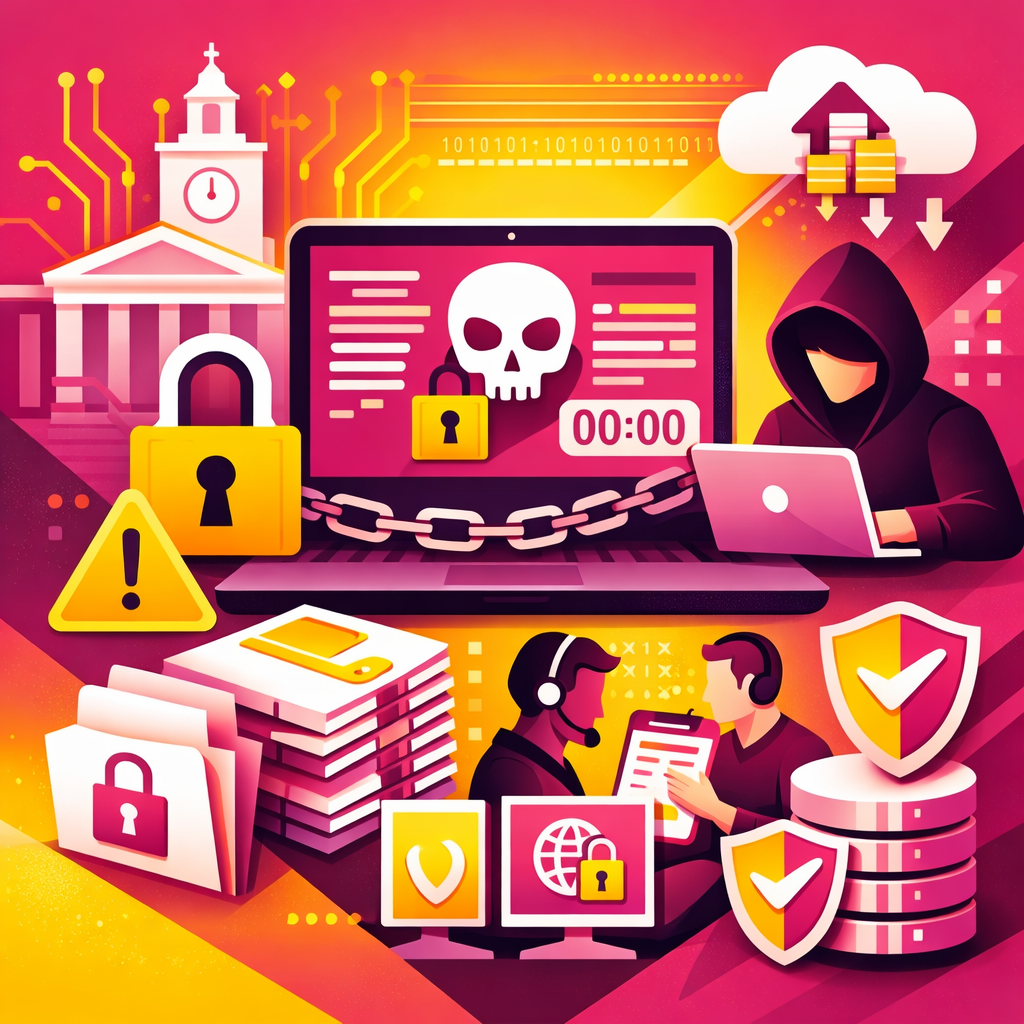
On August 11, 2025, the Interlock ransomware gang claimed responsibility for a debilitating cyberattack on the City of St. Paul, Minnesota — a stark reminder of how even municipal infrastructure is a target for sophisticated ransomware operations. The attackers posted roughly 43 GB of data online after the city declined to pay their ransom demand. The incident knocked online services offline for weeks and required assistance from the FBI and Minnesota National Guard cyber units to contain, investigate, and begin recovery.
Why This Matters
Ransomware remains one of the most disruptive forms of cybercrime. Unlike simple malware, ransomware encrypts or exfiltrates data and often combines both tactics to apply extreme pressure on victims to pay. In St. Paul’s case, city systems were taken offline to contain the breach, leading to service disruptions that affected payment systems, public Wi-Fi, and standard digital workflows. Although sensitive resident data was reportedly stored separately and protected, the downtime still eroded public trust and highlighted the far-reaching impact of such attacks.
Common Factors in Ransomware Breaches
There are several common threads found in municipal and enterprise ransomware incidents:
- Insufficient network segmentation — Once attackers penetrate one part of the network, they can move laterally to critical systems.
- Lack of advanced threat detection — Without real-time monitoring and logging, suspicious activity can go unnoticed until substantial damage has occurred.
- Overreliance on perimeter defenses — Firewalls and antivirus alone can’t stop modern threats that leverage stolen credentials and sophisticated malware.
- Recovery planning gaps — Regular offline, immutable backups ensure that organisations can restore operations without paying a ransom demand.
Practical Prevention and Response
An effective cybersecurity posture rests on three pillars: prevention, detection, and response:
1. Preventative Measures
- Employee training: Phishing campaigns remain the most common initial attack vector. Regular training reduces the likelihood of successful social engineering.
- Multi-factor authentication (MFA): This adds a layer of security even if credentials are compromised.
- Patch management: Keeping systems up-to-date reduces exposure to known vulnerabilities.
2. Detection and Monitoring
- Continuous endpoint and network monitoring identifies abnormal behavior early.
- Threat intelligence feeds allow organisations to pre-emptively block malicious domains and signatures.
3. Incident Response Preparedness
- Ransomware playbooks and drills: Regular tabletop exercises ensure teams know how to respond during an actual event.
- Immutable backups and recovery testing: These dramatically shorten downtime and diminish ransom payment incentives.
The MSP Advantage: How Modena360 Helps
A high-quality Managed Service Provider such as Modena360 brings both strategy and operational strength to cybersecurity:
- 24/7 Security Operations: Continuous monitoring detects threats before they escalate.
- Expert Incident Response: Modena360 helps organisations quickly isolate, contain, and recover from breaches with minimal disruption.
- Proactive Hardening: Infrastructure is hardened using best-practice frameworks and regular vulnerability scanning.
- Employee Security Awareness: Comprehensive training programs empower staff to be the first line of defense.
Ransomware attacks like the one in St. Paul underscore the reality that no organisation is immune to cybercrime — but with the right technologies, processes, and partners, risk can be mitigated and resilience strengthened.