Lessons from the Marks & Spencer Ransomware Attack
Why It Matters
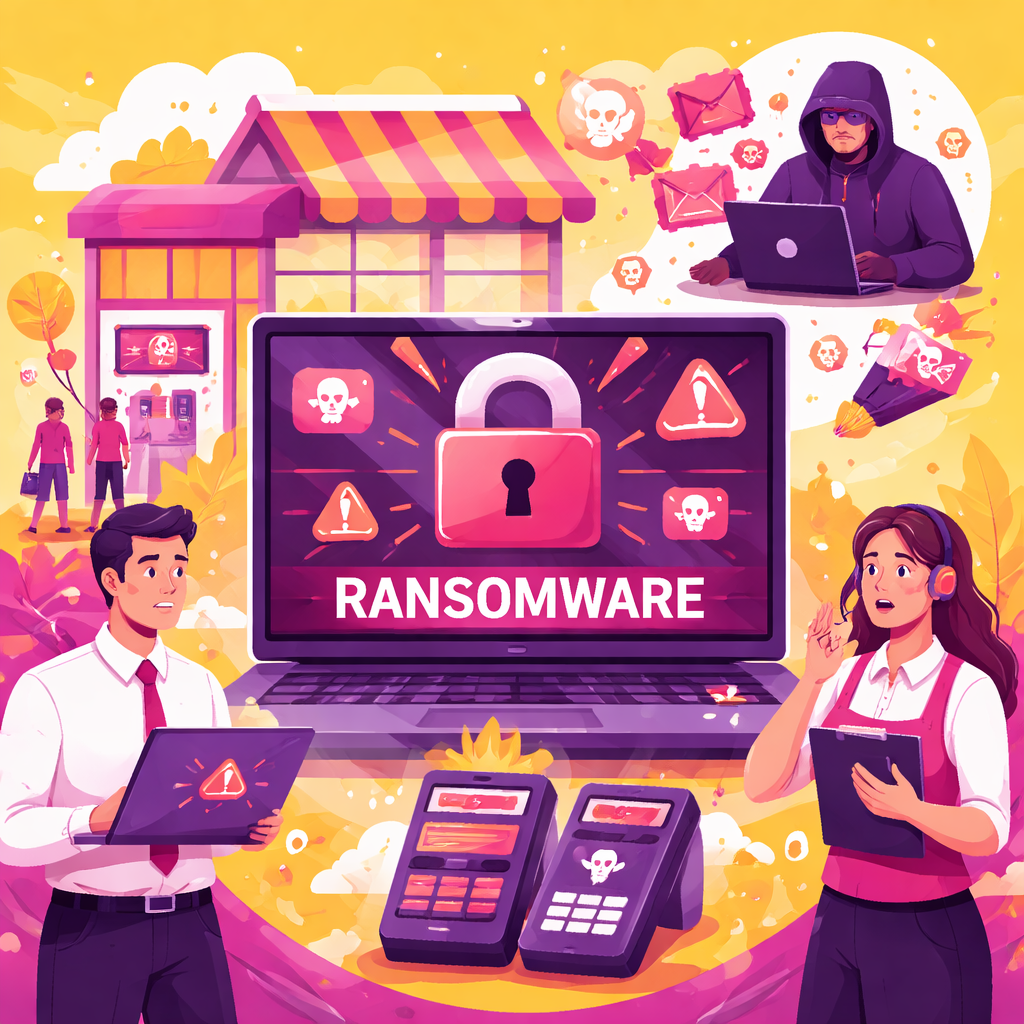
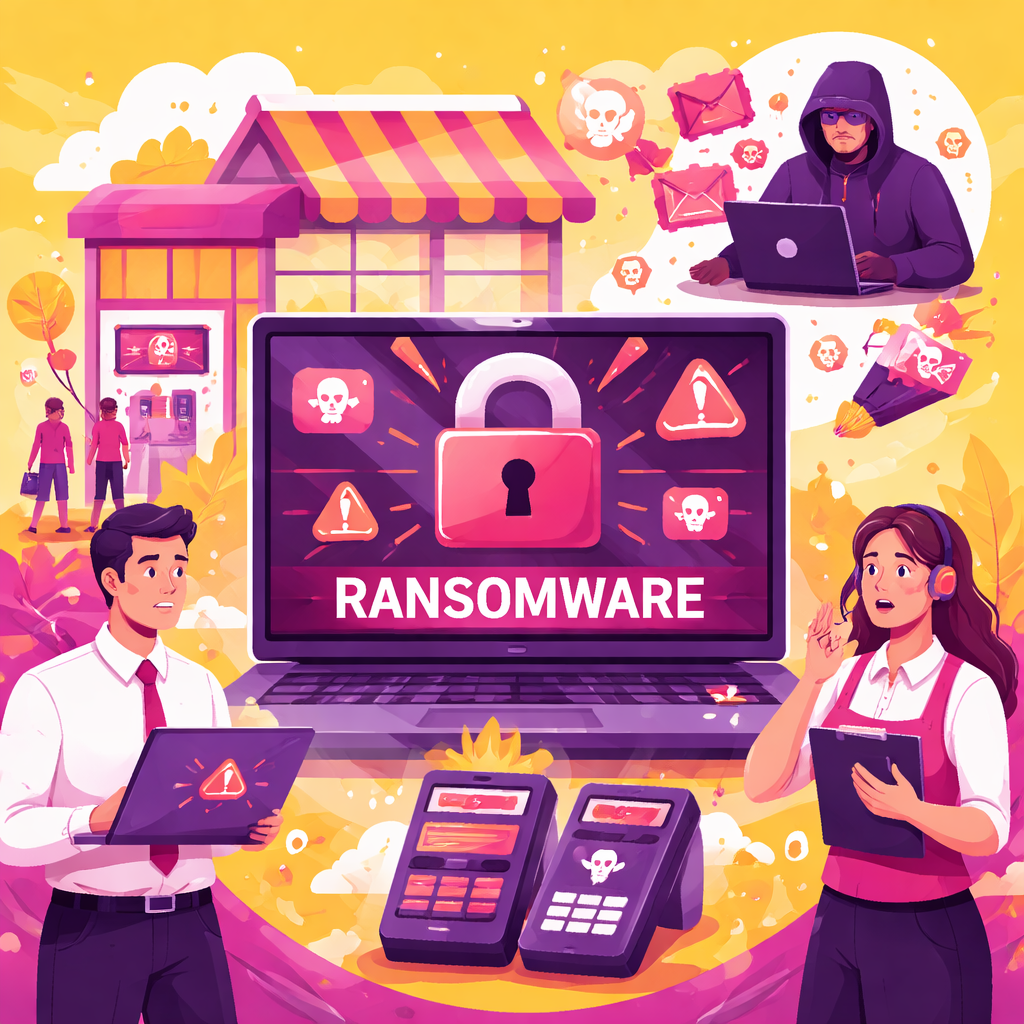
In late April 2025, Marks & Spencer—a well-known global retailer—fell victim to a sophisticated ransomware attack that disrupted online orders, contactless payments across stores, and internal systems during the Easter weekend. The attack was attributed to the Scattered Spider threat actors, a group known for aggressive social-engineering and ransomware deployment. The incident underscores how even major enterprises with significant security investments remain vulnerable to evolving cybercrime techniques.𐄂
This breach had serious operational and financial consequences, from suspended online sales channels to reputational damage and impacts on customer trust—illustrating that ransomware isn’t just an IT problem but a core business risk.
What Went Wrong
Several factors contributed to the success of the attack:
- Social engineering entry point: Attackers likely used advanced phishing and help-desk impersonation tactics to compromise credentials or gain initial access through a third-party provider.𐄂
- Ransomware execution: Once inside, malicious actors deployed ransomware that encrypted key systems, halting critical business functions.𐄂
- Third-party risk exposure: The breach reportedly exploited access through a service provider.💡 This highlights the vital importance of vetting and securing partners across the supply chain.𐄂
Practical Prevention & Response Steps
Here’s how organisations can strengthen their resilience against similar threats—with emphasis on how a high-quality MSP such as Modena360 can help:
1. Multi-Factor Authentication (MFA) & Strong Identity Controls
Ensuring MFA is enabled everywhere—especially for privileged accounts and vendor access—blocks many social-engineering attacks at the first hurdle. Modena360 deploys adaptive authentication and continuous risk-based access controls to make credential misuse far less effective.
2. Employee Awareness & Social Engineering Defense
Human error is often the first crack hackers exploit. Regular, engaging training on spotting phishing and vishing attacks dramatically reduces successful intrusions. Modena360’s security-awareness programs keep staff vigilant and informed.
3. Endpoint & Network Monitoring
Early detection of suspicious activity can stop a breach before ransomware is deployed. Modena360 implements continuous endpoint detection and response (EDR) tools alongside network behavior analytics to spot anomalies in real time.
4. Third-Party Risk Assessment
Trust but verify: every vendor and partner should be assessed, monitored, and segmented in your network. Modena360 provides ongoing third-party risk audits and secure VPN segmentation to limit the blast radius of any compromise.
5. Incident Response Planning & Tabletop Exercises
No environment is 100 % breach-proof, but strong response plans make recovery more predictable. Modena360 assists clients in building incident response playbooks and conducts regular tabletop drills so teams can respond swiftly and effectively.
6. Regular Backups & Ransomware Recovery Plans
Immutable, frequent backups and tested recovery procedures ensure your business can bounce back without paying a ransom. Modena360’s backup solutions and disaster-recovery playbooks are designed for rapid restoration and compliance.
Final Thoughts
The Marks & Spencer ransomware attack of April 2025 is a stark reminder that threat actors are constantly innovating—targeting humans and technology alike. But with the right defensive strategy, continuous monitoring, and expert support from a managed security provider like Modena360, organisations can significantly reduce their exposure and confidently manage incidents when they occur.